Invasive species pose a significant threat to ecosystems worldwide. They can outcompete native flora and fauna, disrupt habitats, and lead to biodiversity loss. While invasive species removal is necessary for ecosystem restoration, the methods employed must align with sustainable practices that minimize ecological impact. Developing a sustainable approach to invasive species removal requires understanding the nuances of various techniques, the tools available, and the broader implications of this work.
The Importance of Sustainable Invasive Species Management
Sustainable management of invasive species is essential for several reasons. First, effective removal can lead to improved habitat quality for native species, allowing ecosystems to recover and thrive. Second, sustainable practices can help prevent soil erosion and maintain water quality by preserving healthy vegetation. Lastly, these practices often integrate with other land management goals, such as fuel reduction in wildfire-prone areas or enhancing recreational opportunities.
Assessing Invasive Species Impact
Before embarking on an invasive species removal project, it is crucial to assess the specific impacts that these species have on local ecosystems. This involves identifying which species are invasive within a given area and evaluating their effects on native plants and animals. For example, kudzu in the Southeastern United States grows rapidly and can smother trees and shrubs, while Japanese knotweed may undermine riverbanks, leading to increased erosion.
A thorough assessment should also consider surrounding wildlife populations. Understanding how invasive species interact with local fauna helps inform removal strategies that will benefit not only plant life but entire ecosystems.
Methods for Invasive Species Removal
When considering methods for invasive species removal, land managers have a variety of options at their disposal. Each technique has its advantages and disadvantages depending on factors like site conditions, target species, and ecological goals. Here are some common approaches:
Mechanical Removal: Using equipment like forestry mulchers or skid steer mulchers allows for efficient clearing of dense invasive growth. This method can be particularly effective in large areas where manual labor would be impractical. However, care must be taken to choose appropriate machinery that minimizes soil disturbance.
Chemical Control: Herbicides can be used selectively to target specific invasive plants without harming surrounding native species. However, reliance on chemicals raises questions about potential long-term effects on soil health and water systems.
Biological Control: Introducing natural predators or pathogens specific to the invasive species can help manage populations sustainably over time. This method requires extensive research to ensure that introduced agents do not become invasive themselves.
Prescribed Burning: Fire can be an effective tool for controlling certain invasive plants while promoting the growth of native flora adapted to fire cycles. This method must be managed carefully to prevent unintended damage during dry seasons or high winds.
Integrated Approaches: Combining multiple methods often yields better results than relying solely on one technique. For instance, mechanical removal followed by biological control can effectively diminish an invasive population while minimizing soil disruption.
Regardless of the chosen method, continual monitoring is vital in assessing effectiveness and adjusting strategies as needed.
Tools for Effective Removal
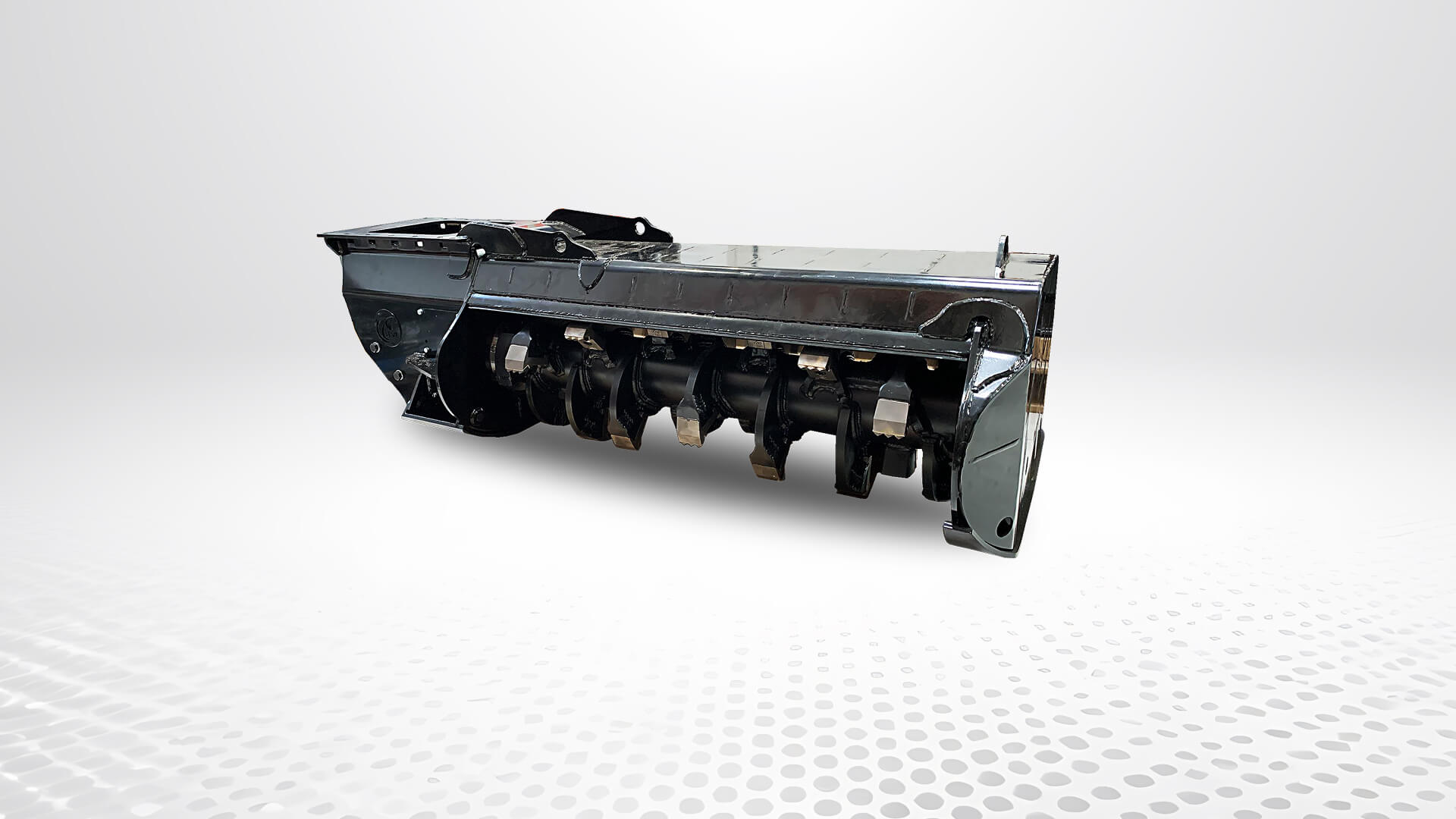
The selection of appropriate tools plays a critical role in executing a successful invasive species removal strategy while ensuring environmental sustainability. Equipment such as forestry mulchers are particularly beneficial due to their efficiency in handling large volumes of vegetation quickly without excessive soil disruption.
Forestry mulching involves grinding spidermaxusa forestry equipment down unwanted plants into mulch that decomposes over time—serving both as organic matter return to the soil and as a barrier against re-infestation when applied appropriately at sufficient mulch depth.
When looking for specialized equipment like tractor mulchers or excavator mulchers, consider factors such as flow rate requirements and terrain adaptability to ensure optimal performance during operation.
Integrating Invasive Species Management into Broader Land Management Goals
Sustainable invasive species management should not exist in isolation; it must align with broader land management objectives such as habitat restoration or wildfire mitigation efforts. For instance:
- Fuel Reduction: Managing underbrush through targeted clearing not only addresses invasives but also reduces fuel loads that could exacerbate wildfires. Wildlife Habitat Restoration: Removing invasives creates space for native plant regrowth which supports local wildlife. Eco-Friendly Land Clearing: Utilizing techniques like forestry mulching ensures minimal environmental disruption compared with traditional land clearing methods while enhancing site preparation for future projects.
Working across disciplines enhances both ecological resilience and economic viability within communities reliant on these landscapes.
Challenges in Implementation
While there are numerous benefits associated with sustainable approaches to invasive species removal, challenges persist in implementation:
- Funding Constraints: Many municipalities face budget limitations which hinder comprehensive management plans. Public Perception: Community support is critical yet may waver if residents misunderstand proposed actions or perceive them negatively. Regulatory Issues: Local regulations may restrict certain methods or require extensive permitting processes before project initiation.
Engaging stakeholders early in the planning process—including local communities—can mitigate some challenges by fostering understanding about project goals while encouraging participation through volunteer opportunities.
Case Studies Demonstrating Success
Successful case studies provide valuable insights into effective strategies for sustainable invasive species management:
One notable example comes from California’s San Francisco Bay Area where integrated pest management techniques were employed against yellow starthistle (Centaurea solstitialis). By combining mechanical mowing with herbicide application during flowering seasons—while also introducing biological controls—the program saw significant reductions in starthistle coverage over several years resulting in healthier ecosystems overall.
Another case study highlights efforts made by New Zealand’s Department of Conservation targeting Himalayan balsam (Impatiens glandulifera). Partially funded by community grants aimed at restoration projects along riverbanks—manual removal alongside educational initiatives led by volunteers helped restore native plant communities while significantly reducing balsam populations over multiple years through sustained effort rather than one-time treatments alone.
These examples show that success often stems from utilizing diverse methodologies tailored specifically toward regional contexts—something all practitioners should consider when developing their own approaches!
Monitoring Success Post-Removal
Once an invasive species removal effort concludes, monitoring becomes essential for ensuring long-term success; however monitoring requires thoughtful planning upfront about what metrics will indicate progress towards ecological recovery goals post-removal!
This includes assessing changes within flora diversity pre-and post-removal along with evaluating wildlife presence/absence rates based upon habitat changes induced via various treatments implemented throughout each phase leading up towards final evaluation stages concluding any given project timeline(s).
Regular follow-up assessments allow adjustments based upon real-world data gathered over time providing feedback loops informing adaptive management strategies moving forward into future endeavors related directly back towards maintaining healthy ecosystems conducive supporting thriving biodiversity locally!
Conclusion
Developing a sustainable approach toward managing invasive species encompasses much more than simply removing unwanted plants; it requires careful consideration regarding techniques employed alongside ongoing evaluations measuring success against established ecological benchmarks observed throughout various stages involving both direct engagement from local stakeholders coupled together with expert guidance available through reputable sources specializing within this field!
Whether you’re involved directly through hands-on activities utilizing modern machinery designed specifically tackling tough challenges presented by invasives or working behind-the-scenes coordinating logistics required preparing necessary documentation prior commencing operational phases—each role contributes significantly towards preserving precious natural resources entrusted into our care ensuring they remain intact long-term benefiting generations ahead!